
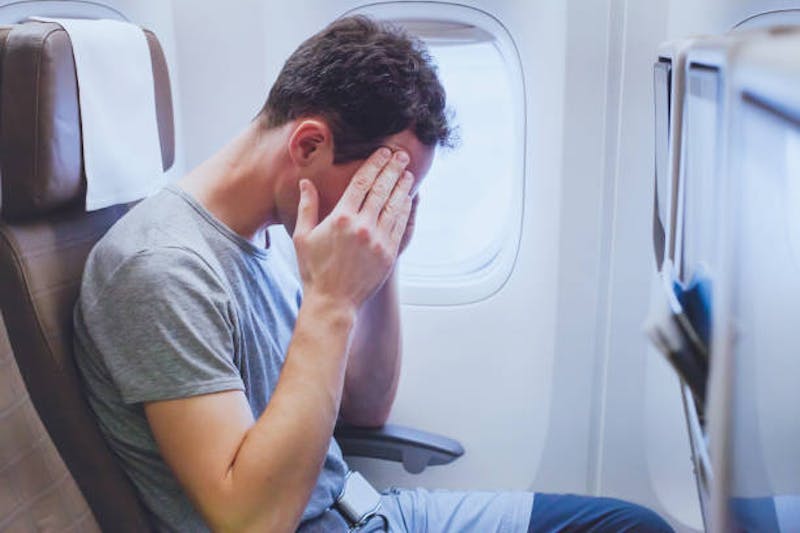
"Plane ear" (barotrauma) occurs when rapid pressure changes during flight prevent your Eustachian tubes from equalizing properly, causing ear pain, pressure, muffled hearing, and sometimes dizziness. Similarly, blocked sinuses can lead to intense facial pain during ascent and descent. These common travel complaints are largely preventable with proper preparation. Louisiana ENT Specialists helps patients fly comfortably by addressing underlying conditions and providing expert guidance.
In this blog, we will discuss five effective strategies to prevent ear pressure and sinus pain during your flights.
1. Use Active Pressure Equalization Techniques
Helping your Eustachian tubes equalize pressure actively prevents barotrauma during altitude changes, and mastering these techniques before your flight makes all the difference. The Valsalva maneuver is one of the most effective methods, simply close your mouth, pinch your nostrils shut, and gently blow as if trying to exhale through your nose to push air into your Eustachian tubes.
The Toynbee maneuver offers an alternative approach, requiring you to pinch your nose closed while swallowing simultaneously to create pressure changes that open the tubes. Swallowing frequently throughout takeoff and landing also helps, whether by drinking water or sucking on hard candy to keep your swallowing reflex engaged.
Controlled yawning opens your Eustachian tubes through natural muscle movement and can be particularly effective when combined with other techniques.
Perhaps most importantly, proactive timing determines your success. Begin these techniques before discomfort develops rather than waiting until you feel pressure or pain, as prevention is far more effective than trying to relieve symptoms once they've started.
2. Consider Decongestants and Nasal Treatments
Reducing nasal swelling before flights improves your ability to equalize pressure.
Medication recommendations:
- Oral decongestants: Take 30-60 minutes before departure.
- Nasal spray decongestants: Apply before takeoff and again before landing begins.
- Morning saline rinses: Flush sinuses on travel day to clear excess mucus.
- Avoid prolonged use: Limit decongestant spray use to prevent rebound congestion.
- Consult first: Those with hypertension should discuss options with Louisiana ENT Specialists.
3. Stay Well-Hydrated Throughout Travel
Airplane cabin conditions and dehydration negatively impact Eustachian tube function.
Hydration strategies:
- Drink water consistently: Cabin humidity drops to 10-20%, severely drying mucous membranes.
- Skip alcohol: Causes dehydration and nasal tissue swelling.
- Moderate caffeine: Excessive caffeine contributes to dehydration.
- Carry a water bottle: Ensure access to fluids throughout your flight.
- Use saline spray: Keeps nasal passages moist during long flights.
4. Utilize Travel-Specific Ear Products
Specialized products help manage pressure changes during flight.
Helpful accessories:
- Filtered earplugs: EarPlanes and similar products slow pressure changes reaching your eardrum.
- Pressure-regulating earbuds: Allow gradual equalization during altitude changes.
- Warm compresses: Applying warmth to ears before landing helps open Eustachian tubes.
- Chewing gum: Promotes continuous swallowing and jaw movement during pressure changes.
5. Treat Underlying ENT Conditions Before Flying
Pre-existing conditions significantly increase barotrauma and sinus pain risk, making it essential to address these issues before your travel date. Chronic sinusitis poses a major challenge because inflamed, blocked sinuses simply cannot equalize pressure properly during the rapid altitude changes of flight. Eustachian tube dysfunction can cause similar problems, but Louisiana ENT Specialists offers effective treatments to improve tube function and prepare your ears for comfortable air travel.
Nasal polyps present a physical barrier that blocks drainage pathways and pressure equalization, often requiring medical intervention before flying can be done safely. Untreated allergies cause widespread inflammation throughout your nasal passages and Eustachian tubes, which substantially increases barotrauma risk, yet many travelers overlook this common and treatable condition.
Recent ear or sinus infections also warrant careful consideration, as flying too soon after an infection can lead to serious complications, including severe pain, eardrum perforation, or prolonged recovery. Most ENT specialists recommend waiting until symptoms have fully resolved before boarding a plane.
Fly Comfortably with Louisiana ENT Specialists
Travel should be exciting, not painful. The board-certified ENT physicians at Louisiana ENT Specialists evaluate Eustachian tube function, treat sinus conditions, and create personalized pre-travel plans. Whether you need allergy management, chronic sinusitis treatment, or specific recommendations for comfortable flying, our experienced team throughout Louisiana ensures you're prepared. Schedule your consultation with Louisiana ENT Specialists today and enjoy pain-free travel.