
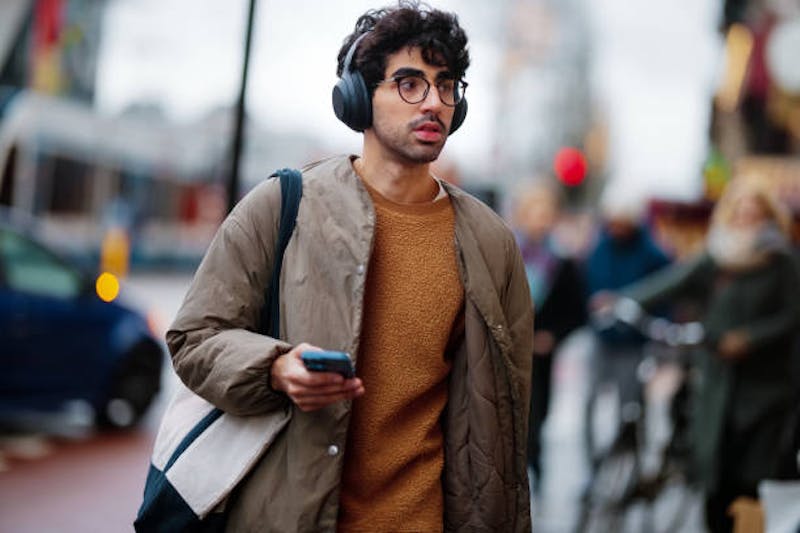
Excessive screen time and constant headphone use are contributing to rising tinnitus rates, particularly among young adults spending hours daily on digital devices. The relentless audio stimulation, from music and podcasts to video calls and gaming, damages delicate inner ear structures, causing persistent ringing, buzzing, or humming sounds. Louisiana ENT Specialists' audiology team is treating increasing numbers of patients whose tinnitus stems from digital listening habits.
In this blog, we will discuss how digital overload triggers tinnitus, signs your ears need rest, and practical strategies to protect your hearing in our connected world.
The Rise of Digital-Era Tinnitus
Approximately 15% of Americans experience tinnitus, with rates rising among younger populations who grew up with constant access to devices.
Digital contributing factors:
- Prolonged headphone exposure: Extended listening sessions fatigue auditory structures regardless of volume.
- Volume creep: Many users gradually exceed the 85-decibel safety limit.
- Earbud risks: In-ear devices deliver sound directly to the eardrum with minimal sound dispersion.
- Cumulative effect: Daily exposure compounds over months and years, causing permanent changes.
Signs Your Ears Need a Digital Break
Your auditory system communicates when it's overwhelmed. Learning these signals helps prevent lasting damage.
Warning signs of auditory overload:
- Temporary ringing: Buzzing or ringing after removing headphones that fades over minutes to hours.
- Ear fullness: Pressure sensation after extended listening sessions.
- Sound sensitivity: Normal sounds seem unusually loud or irritating.
- Listening fatigue: Difficulty concentrating on conversations after device use.
- Volume escalation: Needing progressively higher volumes to hear content clearly.
How Constant Connectivity Stresses Your Ears
Digital devices affect hearing beyond volume-related damage.
Additional auditory stressors:
- No quiet time: Background audio from videos, music, and notifications prevents auditory rest.
- Stress response: Screen exposure triggers cortisol release, which can intensify tinnitus perception.
- Sleep disruption: Late-night screen use impairs sleep, and fatigue worsens tinnitus symptoms.
- Physical tension: Neck and jaw strain from device posture affects auditory pathways.
Practical Strategies for Ear Protection
Louisiana ENT Specialists recommends manageable changes to reduce digital-related hearing strain.
Smart listening practices:
- Apply the 60/60 rule: Maximum 60% volume for no longer than 60-minute sessions.
- Prefer over-ear headphones: Better sound quality at lower volumes compared to earbuds.
- Schedule breaks: Rest ears for 10-15 minutes after every hour of headphone use.
- Create daily quiet time: Device-free periods allow complete auditory recovery.
- Use volume limiters: Enable smartphone settings that cap maximum output.
When to Seek Professional Evaluation
Contact Louisiana ENT Specialists if:
- Ringing persists: Tinnitus continues beyond several days.
- Hearing changes: Difficulty understanding speech or needing higher volumes.
- Sleep problems: Tinnitus interferes with falling or staying asleep.
- Daily interference: Symptoms affect work, concentration, or relationships.
- Emotional distress: Anxiety or depression develops related to symptoms.
Expert Tinnitus Care at Louisiana ENT Specialists
Digital-age tinnitus requires specialized evaluation and treatment from experienced professionals. The audiology team at Louisiana ENT Specialists provides comprehensive tinnitus assessments using advanced diagnostic technology to identify causes and contributing factors. From sound therapy and hearing aids to lifestyle counseling, our ENT doctors develop personalized management plans that provide meaningful relief.
Don't let tinnitus from digital overload diminish your quality of life. Schedule your consultation with Louisiana ENT Specialists today.