
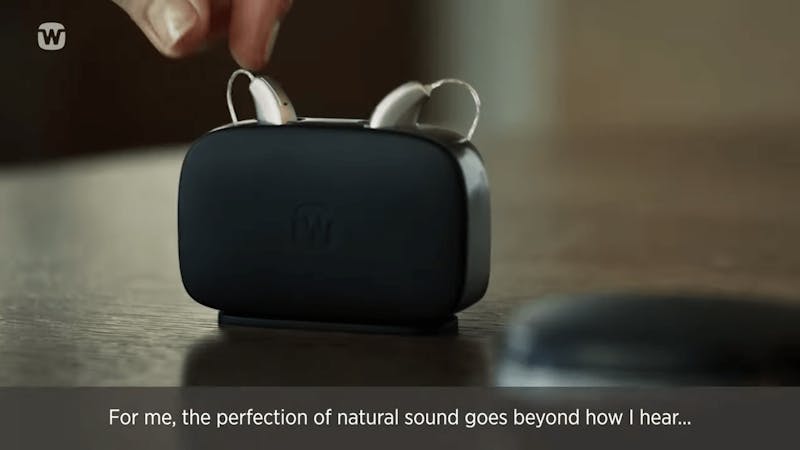
As the largest ENT group in Louisiana, Louisiana ENT Specialists provides comprehensive audiology care supported by board-certified physicians and experienced audiologists. We use advanced diagnostic technology and evidence-based protocols to evaluate hearing loss and recommend personalized solutions. One of the most common questions we hear is whether digital or analog hearing aids are better.
The difference comes down to sound processing. Analog hearing aids amplify all sounds uniformly, making everything louder without separating speech from background noise. Digital hearing aids convert sound into a digital signal and use computer processing to analyze and refine it before delivering it to the ear. In simple terms, analog devices increase volume, while digital devices selectively enhance speech and reduce unwanted noise. In this blog, we break down how those differences affect clarity, comfort, and everyday performance.
How Analog Hearing Aids Work
Analog hearing aids capture sound through a microphone and amplify the entire signal at once. While they can be programmed to match a general hearing profile, they do not dynamically adapt to different listening environments.
- Sound processing: Amplifies all incoming sounds equally, including background noise.
- Environmental flexibility: Limited ability to adjust automatically in changing sound environments.
- Technology profile: Simpler circuitry with fewer advanced features.
Because analog devices do not separate speech from competing noise, users may find conversations challenging in busy settings such as restaurants, meetings, or family gatherings.
How Digital Hearing Aids Enhance Speech And Comfort
Digital hearing aids follow the same basic pathway of capturing and amplifying sound, but they add a critical processing step. After converting sound into a digital signal, the device analyzes frequencies and adjusts them based on the wearer’s specific hearing loss pattern. This allows for highly targeted amplification rather than uniform volume increase.
- Noise management: Reduces steady background sounds while emphasizing speech frequencies.
- Directional microphones: Focus on sounds coming from a specific direction, often directly in front of the user.
- Automatic programming: Shifts settings based on the listening environment.
- Connectivity options: Many models integrate with smartphones, televisions, and other compatible devices.
For most patients, digital technology offers improved speech understanding, greater listening comfort, and a more natural hearing experience throughout the day.
Choosing The Right Hearing Solution
Technology type is only one factor in selecting a hearing aid. At Louisiana ENT Specialists, our ENT doctors begin with comprehensive hearing testing to determine the degree and pattern of hearing loss. We then evaluate additional considerations that influence long-term success.
- Degree of hearing loss: Mild, moderate, or severe loss requires different amplification strategies.
- Lifestyle demands: Work environments, social activity levels, and communication needs shape device selection.
- Cosmetic preferences: Device style and visibility can impact comfort and confidence.
- Ongoing care: Follow-up programming and maintenance are essential for optimal performance.
While digital hearing aids are now the standard recommendation for many patients due to their adaptability and precision, the best solution is always individualized.
Partner With LENTS for Advanced Hearing Care
Understanding the difference between digital and analog hearing aids empowers you to make informed decisions about your hearing health. Analog devices provide broad amplification, whereas digital technology delivers refined, personalized sound processing designed to improve clarity in real-world environments.
At Louisiana ENT Specialists, our experienced audiology team combines advanced technology, clinical expertise, and patient-centered care to ensure every hearing solution is carefully tailored. If you are experiencing changes in your hearing or considering hearing aids for the first time, schedule a comprehensive consultation with our team today to receive a detailed evaluation and a personalized recommendation built around your needs.