
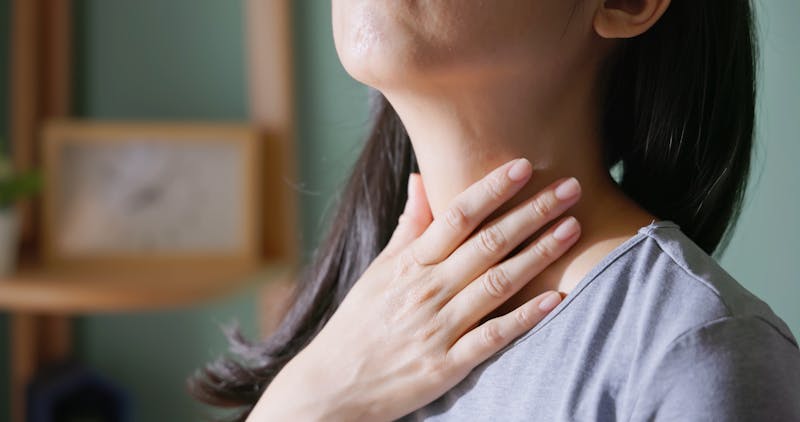
Recovering from thyroid removal surgery (thyroidectomy) involves more than just healing your surgical incision; it also requires supporting your body's healing process through proper nutrition. The foods you eat after surgery can significantly affect your recovery, comfort, and overall well-being. Understanding what to eat and what to avoid can help you heal faster and reduce post-operative complications.
Louisiana ENT Specialists provides comprehensive guidance on all aspects of thyroidectomy recovery, including dietary recommendations tailored to your individual needs.
Foods to Eat During the First Few Days
Immediately following thyroidectomy, your throat will likely feel sore and swallowing may be uncomfortable. Louisiana ENT Specialists recommends starting with soft, easy-to-swallow foods that don't require much chewing.
Ideal soft food options include:
- Smoothies
- Protein shakes
- Yogurt (especially Greek yogurt for extra protein)
- Applesauce
- Mashed potatoes
- Scrambled eggs
- Oatmeal
- Pureed soups
Focus on consuming adequate protein to support tissue repair and wound healing.
Excellent protein sources during recovery are as follows:
- Greek yogurt
- Scrambled or soft-boiled eggs
- Protein shakes
- Pureed chicken or fish
- Protein powder added to smoothies or soups
Cold foods can be particularly soothing for your sore throat.
Soothing cold food options include:
- Ice cream
- Popsicles
- Frozen yogurt
- Chilled smoothies
However, if cold foods increase your discomfort, stick with room-temperature or lukewarm options instead.
Staying Hydrated
Adequate hydration is crucial after thyroid surgery.
Benefits of staying well-hydrated include:
- Helps thin mucus secretions
- Prevents constipation (a common side effect of pain medications)
- Supports overall healing
- Promotes tissue recovery
Some hydration strategies are:
- Aim to drink at least eight glasses of water daily
- Add a squeeze of lemon to plain water for flavor
- Drink herbal tea (cooled to lukewarm temperature)
- Consume water-rich foods like watermelon and cucumbers
- Avoid using straws during the first few days after surgery (the sucking motion can strain neck muscles)
Foods to Avoid Immediately After Surgery
Certain foods can irritate your throat or make swallowing more difficult during the initial recovery period.
Foods to avoid during early recovery:
- Crunchy or hard foods: Chips, crackers, raw vegetables, nuts (can scratch your throat)
- Spicy foods: May increase irritation and discomfort
- Acidic foods: Citrus fruits, tomatoes, vinegar-based products (can cause burning sensations)
- Very hot foods and beverages: Can increase swelling; allow items to cool to lukewarm temperature
- Large, dry pieces of food: Bread, rice, thick meat (difficult to swallow and may cause choking)
Important eating guidelines:
- Take very small bites if eating potentially challenging foods
- Chew thoroughly before swallowing
- Stop eating if you experience discomfort
Transitioning to Regular Foods
As your throat heals over the first week or two, you can gradually reintroduce more textured foods into your diet.
A progressive food introduction timeline could be:
- Week 1: Soft, easy-to-swallow foods only.
- Week 1-2: Begin adding soft cooked vegetables, tender fish, and ground meats.
- Week 2-3: Progress to regular-textured foods as tolerated.
- Beyond Week 3: Most patients can return to their normal diet without restrictions.
Listen to your body. If something feels uncomfortable to swallow, wait a few more days before trying it again.
Managing Calcium and Vitamin D Levels
After thyroid surgery, especially if your parathyroid glands were affected, you may experience temporary or permanent changes in calcium metabolism.
Symptoms of low calcium include:
- Tingling in your fingers, toes, or around your mouth
- Muscle cramps
- Fatigue
- Weakness
Louisiana ENT Specialists may recommend calcium and vitamin D supplementation after surgery.
Calcium-rich foods include:
- Dairy products (milk, cheese, yogurt)
- Fortified plant-based milk
- Leafy green vegetables (kale, collard greens, spinach)
- Canned fish with bones (sardines, salmon)
Vitamin D sources include:
- Fortified foods (cereals, milk, orange juice)
- Fatty fish (salmon, mackerel, tuna)
- Egg yolks
- Sensible sun exposure
Long-Term Dietary Considerations
Once you've fully recovered from surgery, maintaining a balanced, nutrient-rich diet supports your overall health and helps your body adjust to thyroid hormone replacement medication if needed.
Healthy long-term dietary focus:
- Whole foods
- Lean proteins
- Fresh fruits and vegetables
- Whole grains
- Limited processed foods
- Reduced sugar intake
Additional nutritional support:
- Consider working with a nutritionist if you have specific dietary concerns
- Monitor how different foods affect your energy levels and medication absorption
- Maintain consistent meal timing to support medication effectiveness
If you have questions or concerns about your diet after thyroidectomy, don't hesitate to contact Louisiana ENT Specialists. Our team is dedicated to supporting your recovery every step of the way.